
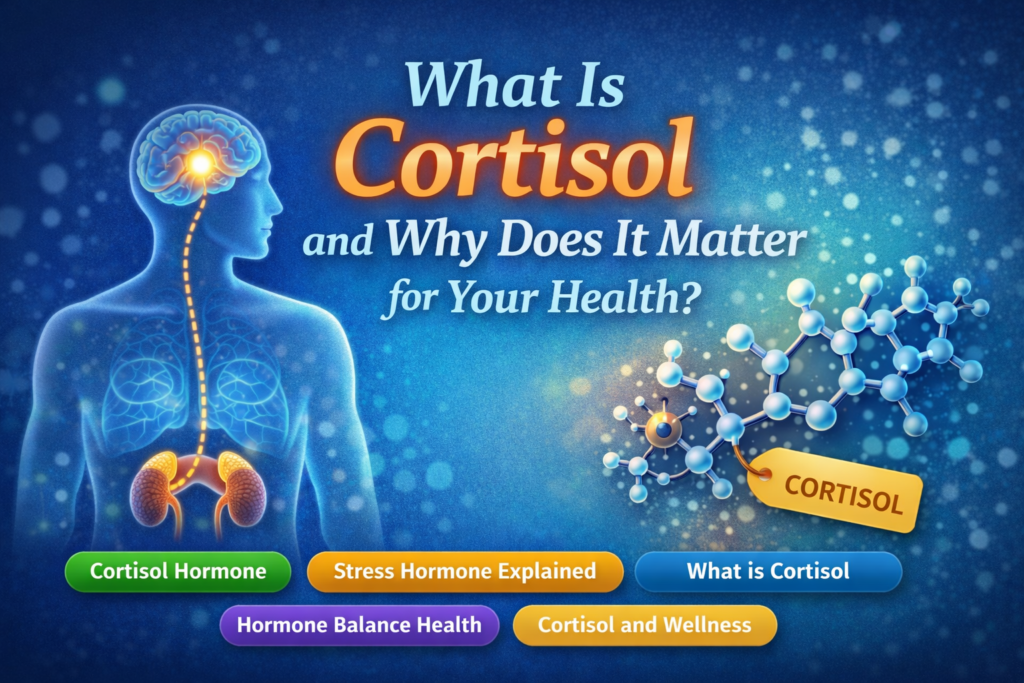
Health education is far more than a collection of wellness slogans or dietary recommendations. It is an integrative discipline that empowers individuals to understand their physiology, interpret subtle biological cues, and make informed choices that shape long-term vitality. In a society increasingly affected by lifestyle-related conditions, health education offers a compass—guiding people toward resilience, balance, and sustainable well-being.
At its essence, health education cultivates awareness. It teaches how nutrition influences cellular repair, how movement supports circulation, and how emotional states affect hormonal balance. These insights transform abstract science into practical action.
Small habits matter. Deep understanding matters more.
The Expanding Role of Health Education
Modern health education spans a broad continuum: physical fitness, nutritional literacy, mental health, sleep science, preventative care, and environmental awareness. It also embraces emerging fields such as psychoneuroimmunology and epigenetics, highlighting how thoughts, behaviors, and surroundings can influence gene expression and immune function.
This holistic approach acknowledges that the human body operates as a unified ecosystem. Muscles communicate with the brain. The gut signals the immune system. Hormones orchestrate energy, mood, and metabolism.
Health education brings coherence to this complexity.
Rather than offering rigid prescriptions, it promotes bioindividuality—the understanding that each person responds uniquely to stress, …