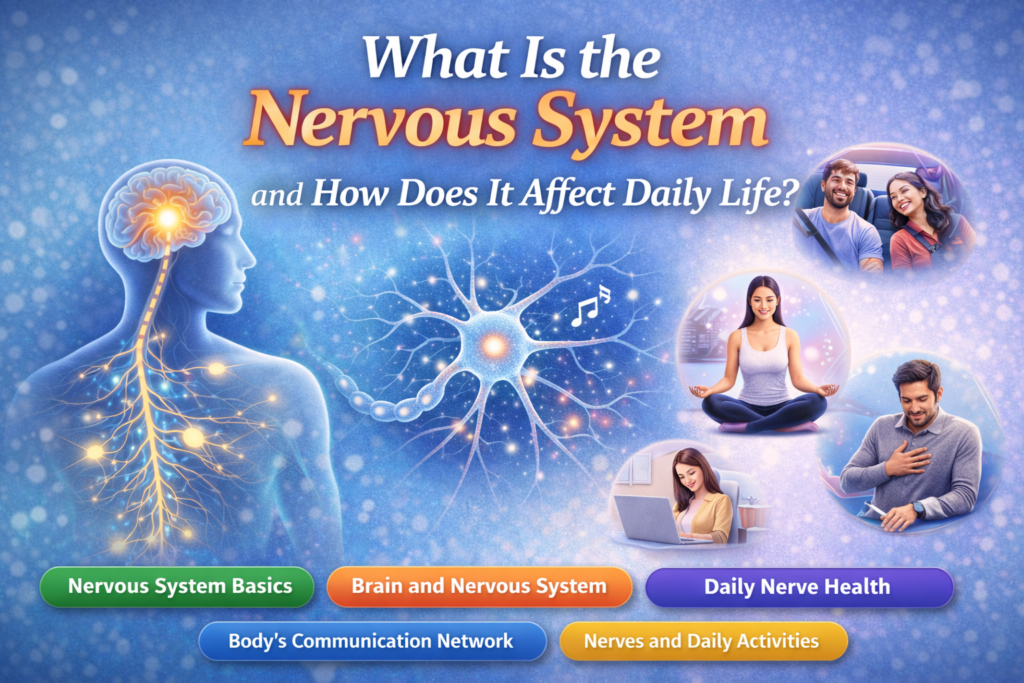
The human brain is constantly changing and adapting throughout life. For many years, people believed the brain stopped developing after childhood, but researchers now understand that the brain continues to adjust and reorganize over time. This ability is known as brain plasticity.
Brain plasticity, sometimes called neuroplasticity, refers to the brain’s ability to adapt based on experiences, learning, habits, and environment. The brain can strengthen certain connections, build new pathways, and adjust how different areas communicate with each other.
This natural flexibility plays a role in learning new skills, building habits, adapting to change, and responding to everyday experiences.
What Does Brain Plasticity Mean?
Brain plasticity describes the brain’s ability to change and reorganize itself throughout life.
The brain contains billions of nerve cells called neurons that communicate through connections known as neural pathways. These pathways help people think, move, learn, remember, and respond to the world around them.
As people repeat behaviors, practice skills, or experience new situations, some of these pathways may become stronger or more active.
In simple terms, the brain adapts based on how it is used.
Why Brain Plasticity Is Important
Brain plasticity helps people continue learning and adapting over time.
Without this ability, it …