
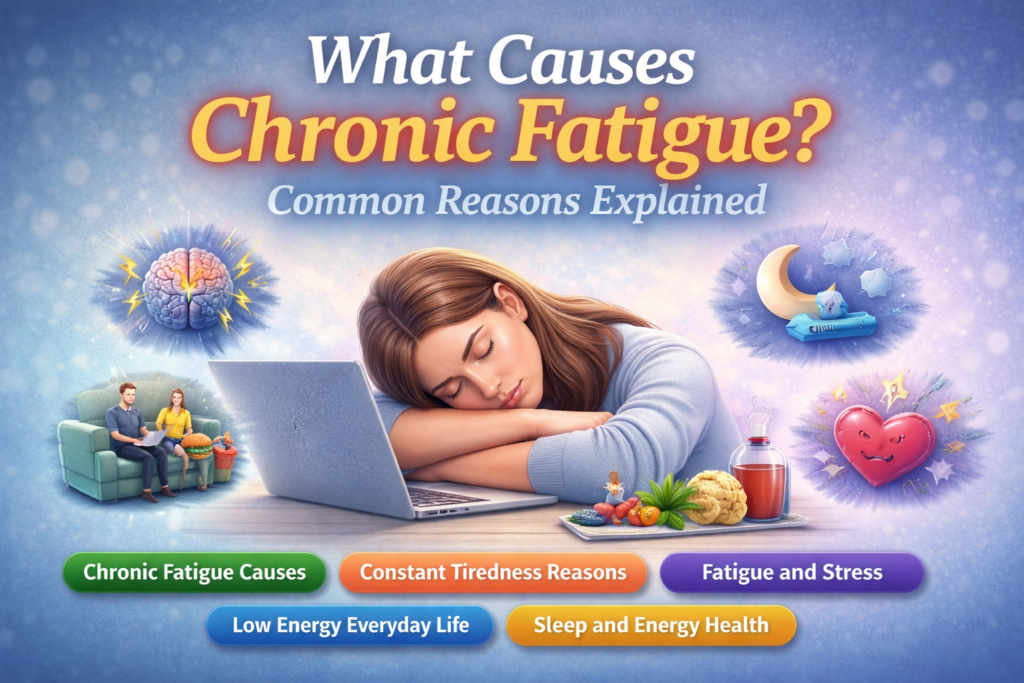
Health education is not simply about learning how to eat better or exercise more. It is an expansive discipline that teaches individuals to understand their bodies, recognize subtle imbalances, and cultivate habits that support long-term resilience. In a world where exhaustion has become normalized, health education offers clarity—connecting physiology, lifestyle, and emotional well-being into one coherent narrative.
It begins with awareness.
Short lessons help. Deep comprehension transforms.
The Purpose of Health Education in Modern Living
Health education bridges scientific knowledge with practical application. It empowers people to interpret biological signals, make informed decisions, and adopt preventative strategies long before illness takes hold. Rather than reacting to symptoms, educated individuals learn to observe patterns, adjust routines, and optimize daily behaviors.
This approach is inherently holistic. Physical activity affects mental clarity. Nutrition influences immune strength. Sleep governs hormonal balance. Emotional stress reshapes metabolism.
Nothing exists in isolation.
Modern health education embraces this interconnectedness, drawing from fields such as behavioral science, neuroendocrinology, and lifestyle medicine. It also respects bioindividuality—the understanding that every body responds differently to stressors, food, and environmental inputs.
Personalization replaces prescription.
Energy as a Health Indicator
One of the most revealing markers of overall wellness is energy level. Persistent fatigue …