
Health education is the cornerstone of a resilient society. It equips individuals with the cognitive tools to interpret bodily signals, evaluate lifestyle choices, and make informed decisions that support long-term well-being. Rather than focusing solely on treatment, health education emphasizes prevention, awareness, and self-efficacy. It transforms abstract knowledge into practical wisdom, enabling people to navigate daily life with greater clarity and intention.
At its core, health education integrates biological literacy, behavioral insight, and environmental awareness. It recognizes that the human body is not a static machine, but a dynamic system influenced by habits, emotions, social context, and rest. Among these elements, sleep is often underestimated, despite its profound impact on physical, mental, and emotional health.
The Role of Sleep in Health Education
Sleep is not merely a passive state of rest. It is an active, regenerative process during which the body conducts essential maintenance. Neural pathways are reinforced, hormones are regulated, and cellular repair takes place. Health education highlights sleep as a foundational pillar, alongside nutrition and physical activity, because its absence can quietly erode overall health.
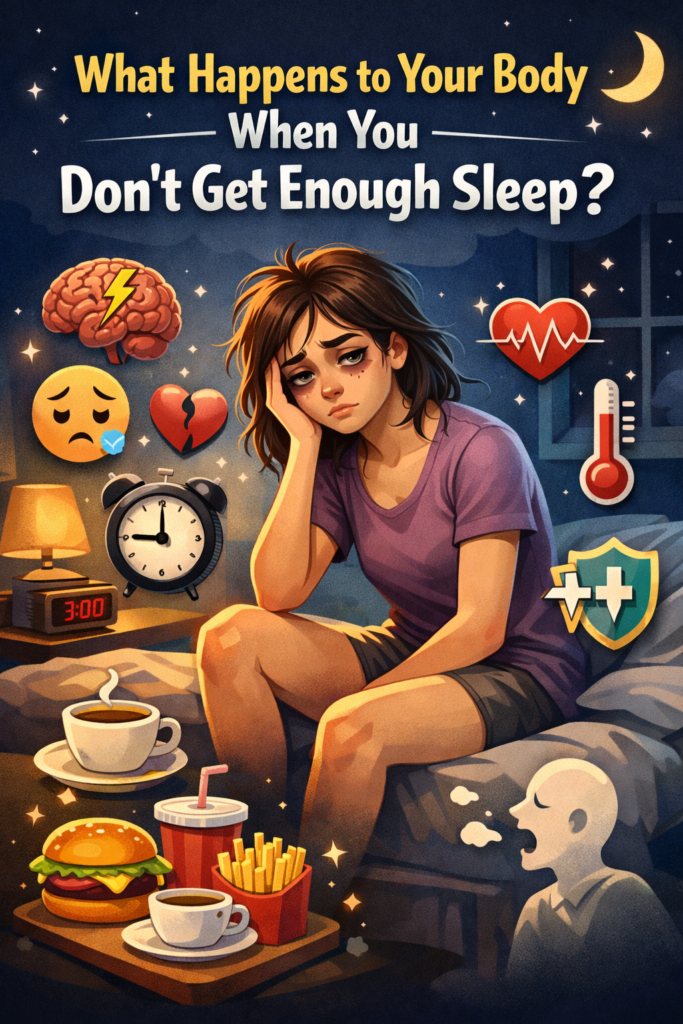
Understanding What Happens to Your Body When You Don’t Get Enough Sleep? is a critical component of health literacy. Sleep deprivation does not …